Common Symptoms of a Ruptured Cyst
Cysts are usually symptomless but can rupture, causing sudden pain, swelling, and more. Learn about the signs and management in this article.

Cysts are fluid-filled sacs that can develop in various parts of the body, often without causing any noticeable symptoms. However, when a cyst ruptures, it can lead to a range of discomforting signs that can be concerning for those experiencing them. In this article, we will delve into the symptoms of a ruptured cyst, shedding light on what you need to know about this condition and how to manage it.
Understanding Cysts
Cysts can form in almost any part of the body and can vary greatly in size. They are typically harmless and can go undetected for years. Cysts are often benign, but in some cases, they may cause pain or discomfort. When a cyst ruptures, the content of the cyst, which is usually a fluid or semi-liquid substance, is released into the surrounding tissue. This rupture can cause several symptoms that vary depending on the location of the cyst and the content within.
Common Symptoms of a Ruptured Cyst
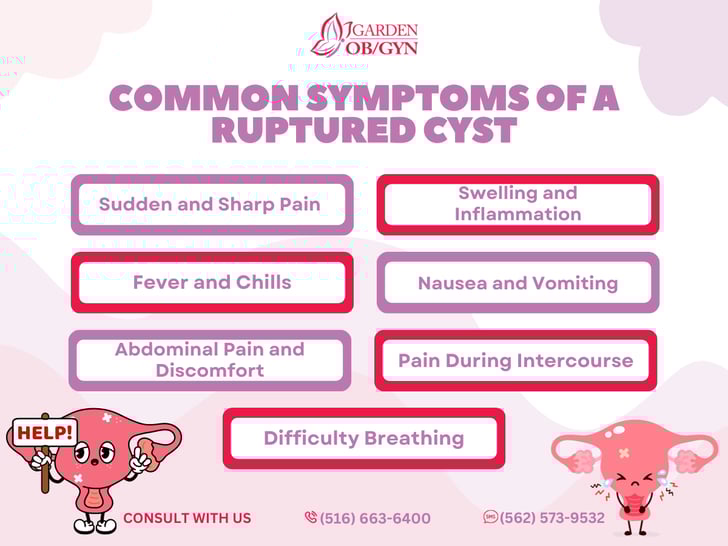
1. Sudden and Sharp Pain: One of the most common and immediate symptoms of a ruptured cyst is sudden and sharp pain in the affected area. The intensity of the pain can vary, ranging from mild discomfort to excruciating agony. This pain may be localized, depending on the location of the cyst.
2. Swelling and Inflammation: After a cyst ruptures, the surrounding tissue often becomes swollen and inflamed. This can cause redness, warmth, and tenderness in the affected area. Swelling and inflammation are the body's natural response to injury and can be quite uncomfortable.
3. Fever and Chills: In some cases, a ruptured cyst can lead to an infection, causing systemic symptoms like fever and chills. If you experience these symptoms, it's important to seek medical attention promptly, as an infection can be a serious complication.
4. Nausea and Vomiting: Severe pain and inflammation caused by a ruptured cyst can lead to feelings of nausea and, in some cases, vomiting. This is the body's response to distress and should not be ignored.
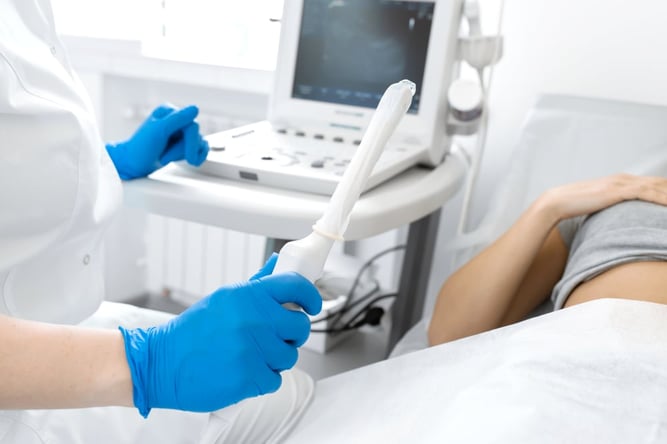
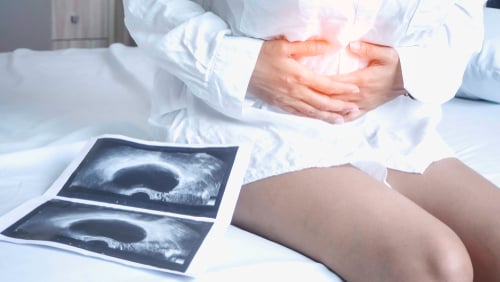
5. Abdominal Pain and Discomfort: Ruptured ovarian cysts, which occur in the pelvis, can cause lower abdominal pain or pelvic pain. This can be especially concerning for women and may be accompanied by irregular menstruation or changes in menstrual flow.
6. Pain During Intercourse: In the case of a ruptured ovarian cyst, sexual intercourse may become painful. This can be a distressing symptom that may prompt women to seek medical attention.
7. Difficulty Breathing: If a cyst in the chest or near the lungs ruptures, it can cause difficulty breathing, chest pain, and even coughing up blood. These symptoms require immediate medical attention, as they could be signs of a serious complication.
When to Seek Medical Help
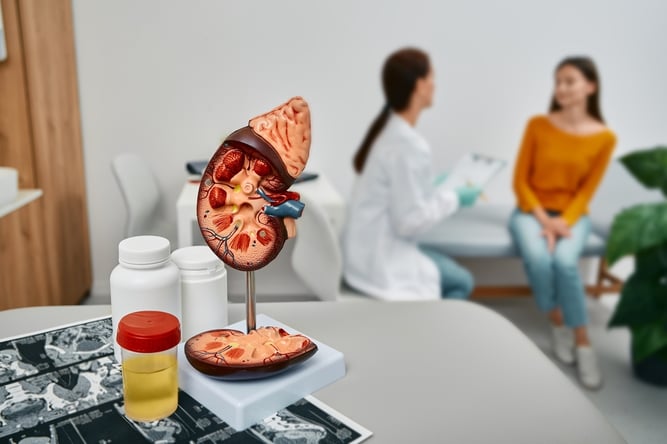
If you experience any of the symptoms associated with a ruptured cyst, it's important to consult a healthcare professional. While many cyst ruptures resolve on their own without complications, there is a risk of infection, internal bleeding, or other more severe issues. A medical evaluation can help determine the appropriate course of action, which may include pain management, antibiotics, or, in rare cases, surgical intervention.
Cysts are common and often harmless, but when they rupture, the symptoms can be distressing. It's essential to recognize the signs of a ruptured cyst and seek medical attention when necessary. Early intervention can help manage pain, prevent complications, and provide peace of mind to those experiencing this uncomfortable condition. Remember, knowledge and timely action are your best allies when it comes to dealing with the symptoms of a ruptured cyst.