High Risk Pregnancy - What is it?
Learn about high risk pregnancies and find out what they are in this detailed article written by our expert maternal fetal medicine specialist

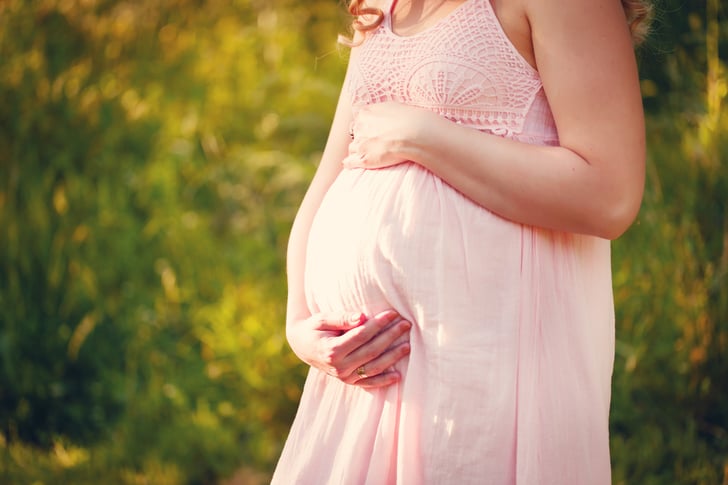
A high-risk pregnancy is a pregnancy that involves increased risks for the mother, fetus, or both. Certain health conditions and your age (being over 35 or under 17) can make a pregnancy high risk.
Examples of High-Risk Pregnancies are:
- Preterm Labor. If you experience regular contractions before reaching the 37th week of your pregnancy, preterm or premature labor…
- Preeclampsia. (high blood pressure, edema, etc)
- Diabetes...
- Placenta Previa.
If you have a high-risk pregnancy, you or your baby is at increased risk of health problems before, during, or after delivery. Usually, special monitoring or care throughout pregnancy is needed.
Depending on the circumstances, your health care provider might recommend:
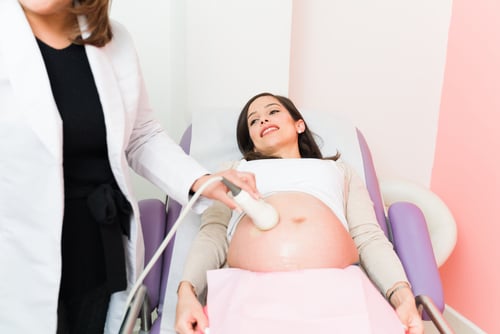
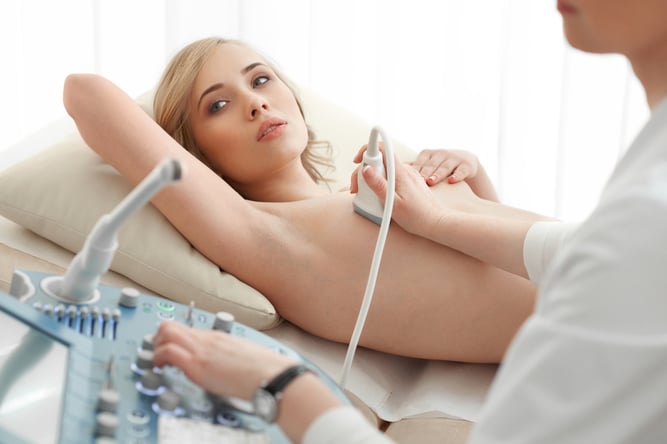
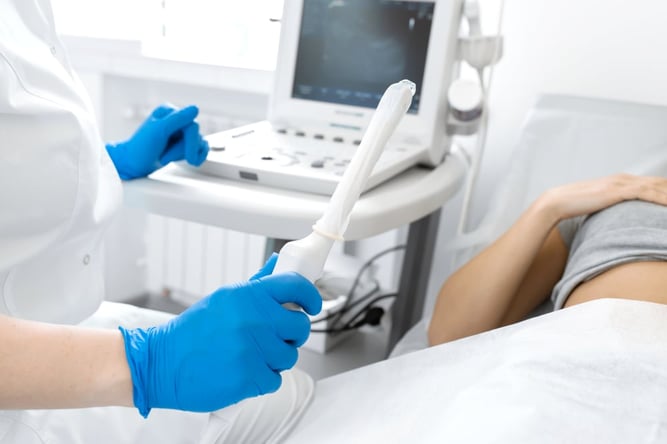
- Specialized or targeted ultrasound. This type of fetal ultrasound - an imaging technique that uses high-frequency sound waves to produce images
- Biophysical profile. This prenatal ultrasound is used to check on a baby's well-being. It might involve only an ultrasound to evaluate fetal well-being or, depending on the results of the ultrasound, also fetal heart rate monitoring (nonstress test).
Some prenatal diagnostic tests - such as amniocentesis and chorionic villus sampling - carry a small risk of pregnancy loss. The decision to perform these tests is up to you. Discuss the risks and benefits with a high-risk specialist.
Other examples of high-risk pregnancies include:
- Lifestyle choices. Smoking, drinking, and using illegal drugs can put a pregnancy at risk.
- Maternal health problems. High blood pressure, obesity, epilepsy, thyroid disease, heart or blood conditions, asthma, and infections among others.
- Pregnancy complications: Examples include an unusual abnormal placenta location, fetal growth less than the 10th percentile for gestational age (fetal growth restriction).
- Multiple pregnancies. Pregnancy risks are higher for women carrying more than one fetus.
- Pregnancy history. A history of pregnancy-related hypertension disorders, such as preeclampsia, increases the risk during the next pregnancy.
Garden OB/GYN is fully equipped to provide state-of-the-art care to high-risk patients. We have three board-certified maternal fetal medicine specialists, who had additional fellowship training and many years of experience. Garden OB/GYN is proud to achieve the lowest level of stillbirth in high-risk pregnancies.