Impact of Chronic Conditions on Pregnancy
Bringing life into the world is joyous yet challenging for those with chronic conditions like diabetes, hypertension, and heart disease. Effective management is vital to minimize pregnancy risks. Explore the impact of these illnesses and essential steps for safer pregnancies.

Bringing a new life into the world is a profound and joyous experience for many individuals and families. However, for those with pre-existing chronic conditions such as diabetes, hypertension, and heart disease, the journey to parenthood can be more challenging. These chronic illnesses can make a pregnancy high-risk, which emphasizes the importance of effective management to minimize potential complications. In this article, we will explore the impact of chronic illnesses on pregnancy and the essential steps for managing these conditions to reduce associated risks.
Understanding the Impact
Pregnancy is a complex physiological process that places additional stress on a woman's body. This stress can exacerbate the complications associated with pre-existing chronic conditions, making it crucial for women to manage their health throughout the pregnancy journey.
-
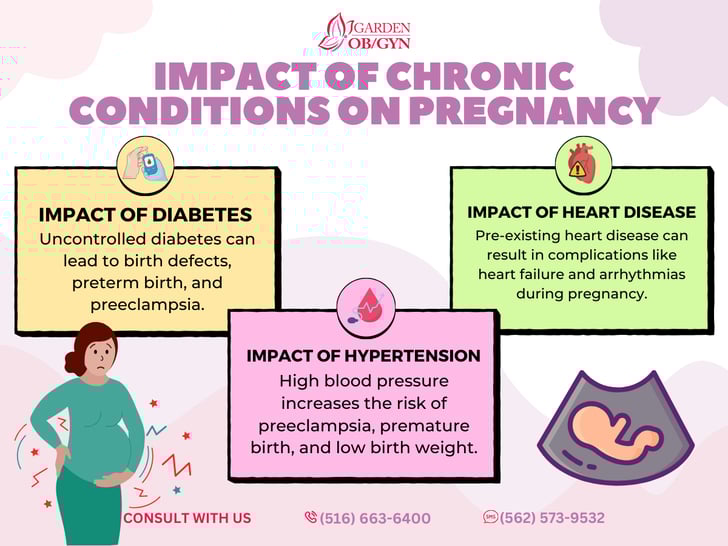
Diabetes: Diabetes is a chronic condition that affects how the body regulates blood sugar levels. During pregnancy, managing blood sugar levels becomes even more critical, as uncontrolled diabetes can lead to various complications, including birth defects, preterm birth, and preeclampsia. It is essential for pregnant women with diabetes to work closely with healthcare professionals to monitor and control their blood sugar levels through lifestyle changes, medication, and proper nutrition.
-
Hypertension: Hypertension, or high blood pressure, is another chronic condition that can complicate pregnancy. High blood pressure increases the risk of conditions like preeclampsia, premature birth, and low birth weight. Managing hypertension during pregnancy typically involves medication, monitoring blood pressure levels, and making necessary lifestyle changes such as reducing sodium intake and maintaining a healthy weight.
-
Heart Disease: Pre-existing heart disease can significantly impact pregnancy, as the heart must work harder to support both the mother and the growing fetus. This increased workload can lead to complications like heart failure and arrhythmias. To mitigate these risks, women with heart disease should collaborate closely with a cardiologist and an obstetrician to create a personalized care plan. Medication adjustments and regular check-ups are often necessary.
The Importance of Prenatal Care
Prenatal care plays a pivotal role in managing chronic conditions during pregnancy. Regular check-ups, often including additional appointments with specialists, can help monitor and adjust treatment plans as needed. Women with chronic illnesses should communicate openly with their healthcare providers to ensure they receive the best care possible.
Lifestyle Modifications
In addition to medical interventions, lifestyle changes can be instrumental in reducing the risks associated with chronic illnesses during pregnancy. A few key modifications include:
-
Nutrition: Maintaining a well-balanced diet that supports the specific needs of the chronic condition and pregnancy is essential. A registered dietitian can provide guidance on creating a suitable meal plan.
-
Exercise: Staying physically active during pregnancy can help manage chronic conditions and reduce the risk of complications. However, exercise plans should be developed in consultation with a healthcare professional.
-
Stress Management: Pregnancy can be a stressful time, and managing stress is vital for overall well-being. Stress reduction techniques such as yoga, meditation, and mindfulness can be beneficial.
-
Medication Compliance: If medications are prescribed to manage chronic conditions, it's crucial to take them as directed by a healthcare provider.
Collaboration with Healthcare Providers
Collaboration between obstetricians, specialists, and healthcare providers is key to managing chronic conditions during pregnancy. These professionals work together to create a comprehensive care plan tailored to the individual's unique needs. Monitoring and adjustments are made as the pregnancy progresses to ensure the health of both the mother and the baby.
While pregnancy can be a challenging journey for individuals with pre-existing chronic conditions, effective management and close collaboration with healthcare professionals can significantly reduce the associated risks. By prioritizing proper prenatal care, lifestyle modifications, and medication compliance, women with chronic illnesses can have successful pregnancies and welcome their newborns into the world with minimized complications. The key to a healthy pregnancy is to be proactive, informed, and to seek the support of healthcare experts who can help navigate this unique and rewarding journey.