Is Exercise Good for Your Period? Benefits, Myths, and What Actually Helps
Back to BlogWomen's Health

Is Exercise Good for Your Period? Benefits, Myths, and What Actually Helps

Medically reviewed by the Garden OB/GYN Team·May 31, 2026· 6 min read

For most people, gentle to moderate exercise during your period is completely safe, and it can actually ease cramps, lift your mood, and help you feel better.

The Reassuring Bottom Line

  • Your body is not fragile during your period, and movement does not make bleeding harmful. There is usually no medical reason to stop.
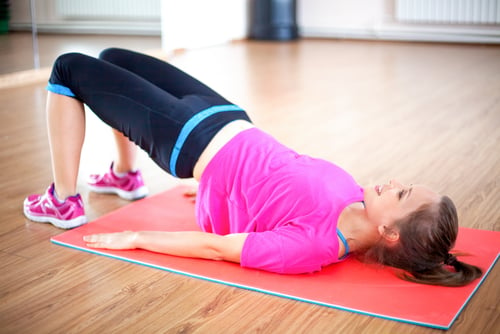
  • Light activity like walking, yoga, swimming, or gentle strength work can ease cramps, reduce bloating, boost energy, and improve sleep.
  • Listen to your body. Some days you will feel strong, other days you may want to scale back, and both choices are completely valid.
  • Ease off and seek care if you feel faint, have severe or one-sided pain, or are bleeding very heavily, and let Garden help if symptoms disrupt your life.

If you have ever wondered whether you should push through a workout during your period or skip it entirely, you are not alone. The good news is that for most people, gentle to moderate exercise during menstruation is not only safe, it can actually help you feel better.

Is It Safe to Exercise During My Period?

Yes. For the vast majority of people, exercising during your period is completely safe and there is no medical reason to stop. Your body is not fragile during menstruation, and movement does not make bleeding harmful or cause damage. In fact, mainstream medical guidance from groups like the American College of Obstetricians and Gynecologists supports regular physical activity as part of overall health, including during your period.

What matters most is listening to your body. Some days you may feel strong and energetic. Other days, especially on the first day or two when symptoms peak, you may want to scale back. Both choices are valid, and neither is wrong.

What Are the Benefits of Exercising During Menstruation?

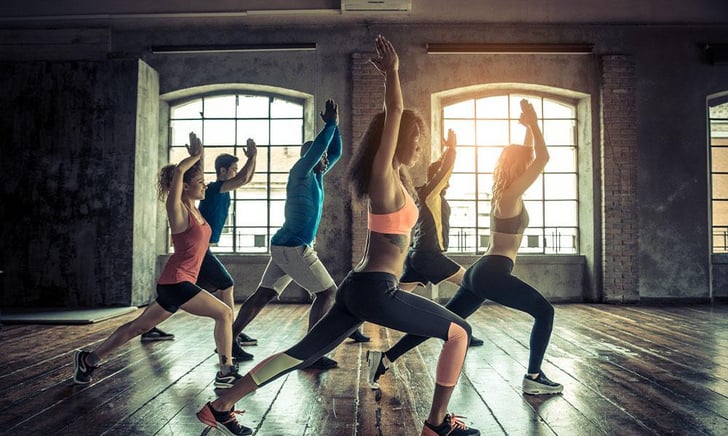
Many people are surprised to learn that moving their body can ease the very symptoms that make them want to stay on the couch. Exercise can help in several ways:

  • Eases cramps: Physical activity increases blood flow and prompts your body to release endorphins, natural chemicals that act as mild pain relievers. Many people find that light movement reduces the intensity of menstrual cramps.
  • Lifts your mood: Those same endorphins can counter the irritability, anxiety, and low mood that often come with your period and the days leading up to it.
  • Reduces bloating: Gentle movement supports circulation and digestion, which can take the edge off that puffy, heavy feeling.
  • Boosts energy: While it sounds backward, light to moderate activity often fights fatigue better than resting all day does.
  • Improves sleep: Regular exercise can help you fall asleep more easily, which matters when cramps or discomfort are keeping you up.

You do not need an intense session to feel these benefits. Even a brisk walk can make a real difference.

What Kinds of Exercise Help Most With Cramps and Mood?

When symptoms are present, lower-impact and rhythmic movement tends to feel best. Consider trying:

  • Walking: Simple, accessible, and easy to adjust to your energy level. A 20 to 30 minute walk is a great place to start.
  • Yoga and stretching: Gentle poses can relax tense muscles, ease lower-back and abdominal discomfort, and calm the mind. Child's pose and gentle twists are popular for cramp relief.
  • Light strength training: Moving through controlled, manageable resistance work can feel grounding without overtaxing you.
  • Swimming: The water can feel soothing and supportive, and yes, you can swim on your period using a tampon or menstrual cup.
  • Pilates or core-focused movement: Slow, controlled exercises can support the back and pelvis where period discomfort often settles.

If you feel great and want to do a harder workout, that is fine too. The best exercise is the one your body welcomes on that particular day.

What Are the Common Myths About Exercise and Your Period?

A lot of outdated beliefs still circulate. Here are a few worth clearing up:

  • Myth: Exercise makes your period worse. For most people, the opposite is true. Movement tends to ease cramps and bloating rather than increase them.
  • Myth: You should rest completely during your period. Unless you are feeling truly unwell, total rest is not necessary and may even leave you feeling more sluggish.
  • Myth: You cannot do core or abdominal work. Gentle core movement is generally fine and can even help support your lower back.
  • Myth: Heavy bleeding always means you should stop everything. Flow alone is not a reason to avoid all activity, though very heavy bleeding is worth discussing with your provider.

When Should I Ease Off or Rest?

Exercise should help you feel better, not worse. It is smart to slow down, modify, or rest when:

  • You feel dizzy, lightheaded, or unusually weak
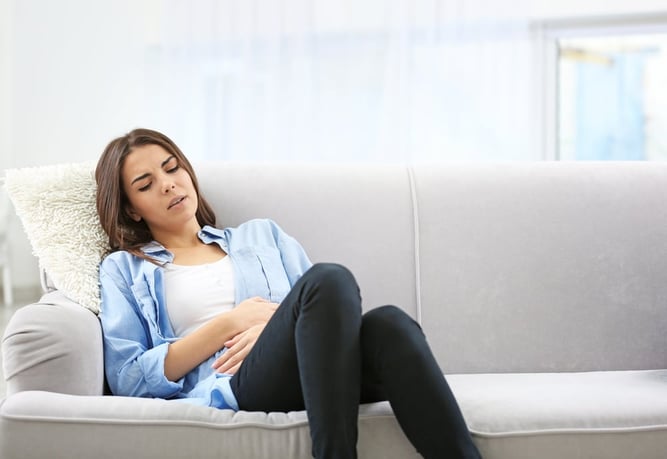
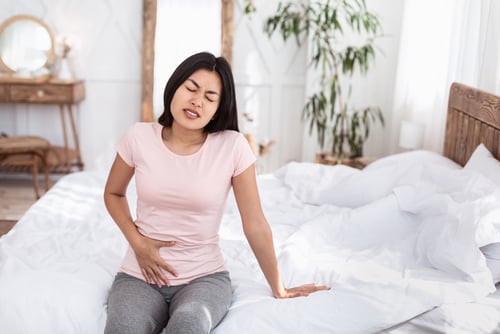
  • Your cramps are severe and movement makes them worse
  • You are extremely fatigued and your body is asking for rest
  • You have a condition like endometriosis or very heavy periods that your provider has advised you to manage with caution

Rest is not a failure. Some days the most supportive thing you can do is stretch gently, use a heating pad, and let yourself recover.

Certain symptoms, however, are not just a tough period and deserve prompt medical attention. Stop exercising and seek care right away if you experience any of the following:

  • Fainting or near-fainting
  • Severe, sudden, or one-sided pelvic or abdominal pain
  • Soaking through a pad or tampon every hour for several hours in a row
  • Bleeding with chest pain, trouble breathing, or a racing heart
  • Bleeding when there is any chance you could be pregnant

If any of these occur, go to the emergency room or call your provider immediately.

Exercise and Your Period at Garden OB/GYN

Period symptoms vary widely from person to person, and what feels manageable for one woman can be debilitating for another. If your cramps, mood changes, or bleeding are interfering with your daily life or your ability to stay active, our team can help you understand what is normal for you and rule out underlying conditions like endometriosis, fibroids, or hormonal imbalances.

At Garden OB/GYN, with offices across New York City and Long Island, we take the time to listen and build a care plan that fits your body and your goals. Schedule an appointment with Garden OB/GYN to talk through your menstrual health and find an approach to movement that works for you.

This article is for general education and is not a substitute for medical advice. If you are experiencing severe symptoms, seek care right away.

When to call Garden right away

Get in touch with us, or seek emergency care, if you have:

  • Fainting or near-fainting
  • Severe, sudden, or one-sided pelvic or abdominal pain
  • Soaking through a pad or tampon every hour for several hours in a row
  • Bleeding with chest pain, trouble breathing, or a racing heart
  • Bleeding when there is any chance you could be pregnant
Book Your Appointment

From our doctors

Move in the way that feels good to your body that day, and know that resting when you need to is never a failure.

the Garden OB/GYN Team

periodmenstruationexercisecrampsmenstrual healthwomen's health

Have a question about your health?

Our caring providers across NYC and Long Island are here for you. Talking it through is the first step.

Book Your Appointment