Swollen Feet and Ankles During Pregnancy: What to Do
Back to BlogPregnancy

Swollen Feet and Ankles During Pregnancy: What to Do

Medically reviewed by the Garden OB/GYN Team·May 7, 2026· 6 min read

Mild swelling in your feet and ankles is one of the most common and most normal parts of pregnancy, and there is a lot you can do at home to feel more comfortable.

The Reassuring Bottom Line

  • What it usually is: normal swelling from the extra blood and fluid your body makes to support your baby, settling into your lower legs by gravity. It is most common in the third trimester and eases when you rest with your feet up.
  • What helps: elevate your feet, stay hydrated, keep gently moving, wear maternity compression socks, rest on your left side, and choose roomy, supportive shoes.
  • When to worry: sudden or severe swelling of your face, hands, or one leg, especially with a bad headache, vision changes, upper belly pain, or shortness of breath, can signal preeclampsia or a blood clot and needs prompt care.
  • What Garden can do: we check your blood pressure and overall health at every prenatal visit so we can tell normal swelling from a sign that needs attention, and we are always happy to answer your questions.

If your shoes feel tighter than they used to and your ankles look puffy by the end of the day, you are in good company. Swelling in the feet and ankles is one of the most common and most normal parts of pregnancy, and there is a lot you can do to feel more comfortable.

Why Are My Feet and Ankles So Swollen?

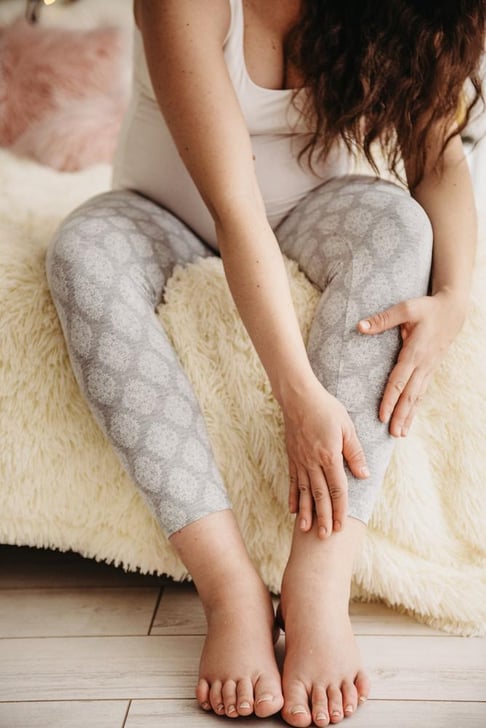
Swelling, known medically as edema, happens because your body is doing exactly what it is supposed to do during pregnancy. Your body produces significantly more blood and fluid to support your growing baby, and some of that extra fluid naturally settles in your lower legs, ankles, and feet.

Several normal changes work together to cause this:

  • Increased fluid volume: Your blood volume rises substantially in pregnancy, and the extra fluid tends to pool in the lowest parts of your body because of gravity.
  • Pressure from the uterus: As your uterus grows, it presses on the large veins that carry blood back from your legs, which slows circulation and allows fluid to collect.
  • Hormonal shifts: Pregnancy hormones cause your body to retain more sodium and water than usual.
  • Standing and heat: Long days on your feet and warm weather both make swelling more noticeable.

Mild swelling is most common in the third trimester and often worsens as the day goes on or in hot weather. It usually affects both feet and ankles fairly equally and improves overnight or after you rest with your feet up.

How Can I Relieve Swollen Feet Safely?

The good news is that simple, drug-free measures are usually very effective for normal pregnancy swelling. Try these gentle, provider-approved strategies:

  • Elevate your feet: Prop your feet up above the level of your heart for short periods several times a day. Even resting them on a stool or pillow while sitting helps fluid drain back toward your heart.
  • Stay hydrated: It sounds counterintuitive, but drinking plenty of water actually helps your body flush out excess sodium and retain less fluid. Keep a water bottle nearby and sip throughout the day.
  • Keep moving: Gentle activity like walking, swimming, or simple ankle circles keeps your circulation going and prevents fluid from pooling. Avoid sitting or standing still for long stretches.
  • Wear compression socks: Maternity compression stockings can gently support circulation in your legs. Put them on in the morning before swelling builds, and ask your provider for the right level of compression.
  • Lie on your left side: Resting on your left side takes pressure off the large vein that returns blood from your lower body and can ease swelling.
  • Choose comfortable shoes: Supportive, roomy footwear without tight straps gives swollen feet space and helps you stay steady on your feet.
  • Watch the heat: Stay cool when you can, since warm temperatures tend to make swelling worse. Cool foot soaks can feel especially soothing.

You do not need to drastically cut back on salt, but a balanced diet that is not heavy in highly processed, salty foods can help. Talk with your provider before making major dietary changes or trying any new supplement.

When Is Swelling a Warning Sign?

Most pregnancy swelling is harmless, but swelling can sometimes be a signal of a serious condition called preeclampsia, a blood pressure disorder of pregnancy. Preeclampsia usually develops after 20 weeks and needs prompt medical attention because it can affect both you and your baby.

The key is to notice swelling that is sudden, severe, or in unusual places, especially when it comes with other symptoms. According to ACOG, warning signs to take seriously include:

  • Sudden or severe swelling of your face, around your eyes, or in your hands
  • A severe or persistent headache that does not improve
  • Vision changes, such as blurriness, seeing spots or flashing lights, or light sensitivity
  • Pain in the upper abdomen, usually on the right side or under the ribs
  • Sudden weight gain over a day or two
  • Shortness of breath or trouble breathing
  • Nausea or vomiting that comes on suddenly in the second half of pregnancy

Another sign that needs same-day attention is swelling in just one leg, particularly if that leg is also painful, red, warm, or tender. This can occasionally point to a blood clot rather than ordinary pregnancy swelling.

When Should I Call My Provider or Go to the ER?

Trust your instincts. It is always okay to call your provider if something feels off. Seek care right away, including going to the emergency room or calling 911, if you experience any of the following:

  • Sudden, severe swelling of your face, hands, or one leg
  • A severe headache that will not go away
  • Vision changes such as blurriness, spots, or flashing lights
  • Severe pain in your upper belly or under your ribs
  • Shortness of breath or chest pain
  • One leg that is swollen, red, warm, or painful
  • Any swelling that worries you or comes with feeling generally unwell

If you have already been told you have high blood pressure or are at higher risk for preeclampsia, do not wait to reach out. Early evaluation and treatment make a real difference.

Will the Swelling Go Away After Delivery?

Yes. For most women, swelling resolves on its own in the days and weeks after birth as your body sheds the extra fluid it built up during pregnancy. You may even notice you urinate and sweat more than usual in the first week postpartum, which is completely normal as your fluid levels return to baseline. If swelling worsens after delivery or comes with the warning signs above, contact your provider, since preeclampsia can sometimes appear in the postpartum period.

Swollen Feet in Pregnancy at Garden OB/GYN

At Garden OB/GYN, your comfort and safety throughout pregnancy are our priority. Our team monitors your blood pressure and overall health at every prenatal visit so we can tell the difference between normal swelling and a sign that needs attention, and we are always happy to answer questions about the everyday discomforts of pregnancy. With locations across New York City and Long Island, expert, attentive care is close to home.

Schedule an appointment with Garden OB/GYN to talk through your symptoms, get personalized relief tips, and feel confident that you and your baby are well cared for.

This article is for general education and is not a substitute for medical advice. If you are experiencing severe symptoms, seek care right away.

When to call Garden right away

Get in touch with us, or seek emergency care, if you have:

  • Sudden or severe swelling of your face, hands, or one leg
  • A severe or persistent headache that will not go away
  • Vision changes such as blurriness, spots, or flashing lights
  • Severe pain in your upper belly or under your ribs
  • Shortness of breath or chest pain
  • One leg that is swollen, red, warm, or painful
  • Sudden weight gain over a day or two
Book Your Appointment

From our doctors

Puffy ankles at the end of a long day are usually just part of pregnancy, and we are right here to check anything that ever feels off.

the Garden OB/GYN Team

pregnancyswollen feetedemapreeclampsiathird trimesterprenatal care

Have a question about your health?

Our caring providers across NYC and Long Island are here for you. Talking it through is the first step.

Book Your Appointment