Urine Testing During Pregnancy: What Your OB/GYN Is Checking For
Back to BlogPregnancy

Urine Testing During Pregnancy: What Your OB/GYN Is Checking For

Medically reviewed by the Garden OB/GYN Team·May 28, 2026· 7 min read

Most urine tests during pregnancy come back completely normal, and when something does show up, that quick little cup is exactly how your care team catches it early.

The Reassuring Bottom Line

  • That sample at every visit is a simple, painless way to watch for protein, sugar, ketones, and signs of a UTI, often before you would feel anything.
  • A single trace of protein or glucose is usually harmless, your provider is looking for patterns over time, not one reading.
  • UTIs are common in pregnancy and very treatable, just let your provider guide the medication and never start or stop one on your own.
  • Call right away for severe headache, vision changes, sudden swelling, or fever with back pain, these can signal preeclampsia or a kidney infection.

If you are pregnant, you have probably noticed that you are asked to give a urine sample at nearly every prenatal visit. It can start to feel like a routine you do without thinking, but that small cup tells your provider a surprising amount about your health and your baby's wellbeing.

The good news is that most urine tests come back completely normal. When something does show up, catching it early is exactly the point. Here is a clear look at why we test urine during pregnancy, what we are screening for, and what different results can mean.

Why Do I Have to Give a Urine Sample at Every Visit?

Pregnancy puts new demands on your body, and a few important conditions can develop quietly, sometimes before you feel any symptoms at all. A quick urine test is a simple, painless, and inexpensive way to keep an eye on those conditions over time.

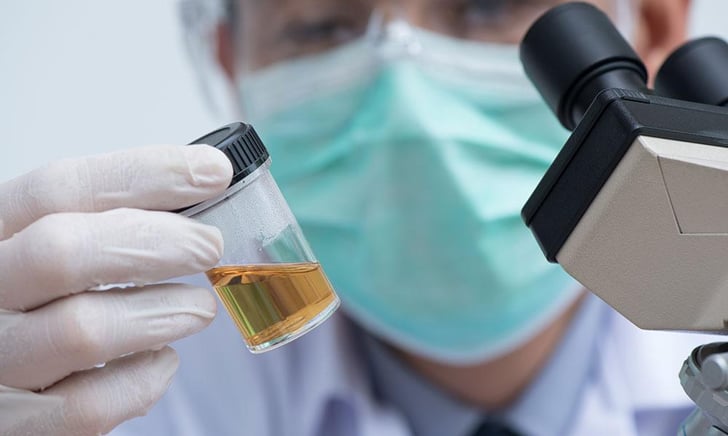
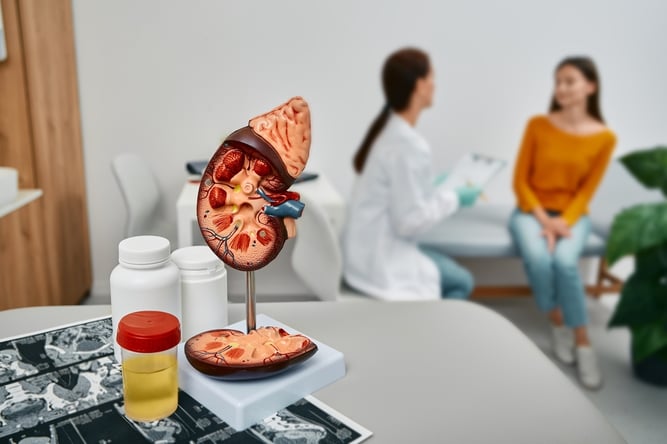
At most visits, your provider uses a urine dipstick, a small plastic strip with color-changing pads that react to substances in your urine. The results are available within a minute or two. The test mainly screens for protein, glucose, and ketones, and it can also flag signs of a possible urinary tract infection. If something looks off, your provider may send a sample to the lab for more detailed testing.

Tracking these results visit after visit lets your care team spot trends rather than relying on a single snapshot. A one-time reading matters less than a pattern that is changing over the weeks of your pregnancy.

What Does Protein in Urine Mean During Pregnancy?

Protein is one of the most important things we look for. Small or occasional traces of protein are often harmless and can be caused by dehydration, a minor infection, or even a sample that picked up some vaginal discharge. But higher or rising levels of protein, especially in the second half of pregnancy, can be an early sign of preeclampsia.

Preeclampsia is a serious pregnancy condition involving high blood pressure and signs of strain on organs such as the kidneys. This is why your blood pressure is checked at the same visit as your urine. Together, those two simple measurements help your provider catch preeclampsia early, when it is most manageable.

If protein shows up, your provider may ask for a repeat sample, order lab work, or recommend a longer urine collection over 24 hours to measure protein more precisely. A single trace does not mean you have preeclampsia, but it is a signal worth watching closely.

What Are They Checking For Besides Protein?

Your urine test screens for several things at once. The most common include:

  • Glucose (sugar): A little glucose in the urine can be normal in pregnancy, but repeated or higher readings may prompt your provider to look more closely for gestational diabetes. The urine test does not diagnose diabetes on its own. Most practices use a separate glucose screening test, usually between 24 and 28 weeks, to check how your body handles sugar.
  • Ketones: Ketones appear when your body is breaking down fat for energy instead of using sugar. This can happen if you are dehydrated, have been vomiting, or have not eaten enough, which is common with morning sickness. Ketones are a reminder to focus on fluids and regular meals, and your provider will help you make a plan if they keep showing up.
  • Signs of a urinary tract infection (UTI): The dipstick can detect substances like nitrites and white blood cells that suggest an infection. UTIs are more common in pregnancy because of normal changes to your urinary tract.
  • Blood cells: Small amounts of blood can point to an infection, a kidney stone, or simple contamination of the sample, so your provider will interpret it alongside your other results.

What About UTIs in Pregnancy?

Urinary tract infections deserve special attention during pregnancy. Some pregnant patients carry bacteria in their urine without any symptoms at all, a condition called asymptomatic bacteriuria. Left untreated, it can sometimes progress to a kidney infection, which is more serious. That is why many providers send a urine sample to the lab for a culture early in pregnancy, even when you feel fine.

If you do have symptoms, common ones include:

  • Burning or stinging when you urinate
  • Needing to urinate more often or more urgently than usual
  • Cloudy, dark, or strong-smelling urine
  • Pressure or discomfort low in your pelvis

UTIs in pregnancy are very treatable. If your test suggests an infection, your provider will choose a treatment that is considered safe to use during pregnancy. Never start or stop any medication on your own. Always let your provider guide treatment so they can pick the right option for you.

When Should I Call My Provider or Seek Care?

Your prenatal visits are designed to catch problems early, but you should not wait for your next appointment if you notice warning signs. Call your provider or seek care right away if you experience any of the following:

  • A severe or persistent headache that does not improve
  • Changes in your vision, such as blurriness, flashing lights, or spots
  • Sudden swelling of your face, hands, or feet
  • Pain in the upper right side of your belly or under your ribs
  • Fever, chills, or back or side pain, which can signal a kidney infection
  • Burning with urination along with feeling generally unwell
  • Little or no urine, or signs of significant dehydration
  • Vomiting so often that you cannot keep fluids down

Severe headache, vision changes, sudden swelling, and upper abdominal pain can be signs of preeclampsia and should be treated as urgent. When in doubt, it is always okay to call. Your care team would much rather hear from you and reassure you than have you wait on something that needs attention.

Urine Testing During Pregnancy at Garden OB/GYN

At Garden OB/GYN, urine testing is one of the simple, steady ways we look after you throughout your pregnancy. With locations across NYC and Long Island, our team reviews your results at every visit, explains what we find in plain language, and follows up promptly when something needs a closer look. From routine screening to managing conditions like preeclampsia, gestational diabetes, or a UTI, we are here to support you and your baby at each step.

Schedule an appointment with Garden OB/GYN to start or continue your prenatal care, and bring any questions you have about your test results. We are always happy to walk through them with you.

This article is for general education and is not a substitute for medical advice. If you are experiencing severe symptoms, seek care right away.

When to call Garden right away

Get in touch with us, or seek emergency care, if you have:

  • Severe or persistent headache that does not improve
  • Vision changes like blurriness, flashing lights, or spots
  • Sudden swelling of your face, hands, or feet
  • Pain in the upper right side of your belly or under your ribs
  • Fever, chills, or back or side pain
  • Little or no urine or signs of significant dehydration
  • Vomiting so often you cannot keep fluids down
Book Your Appointment

From our doctors

That little cup tells us a lot, and most of the time it tells us everything looks just right, so please never hesitate to ask us what we found.

the Garden OB/GYN Team

pregnancyprenatal careurine testpreeclampsiagestational diabetesUTI

Have a question about your health?

Our caring providers across NYC and Long Island are here for you. Talking it through is the first step.

Book Your Appointment