Why Do Women Get PMS Food Cravings?
If you experience symptoms of Premenstrual Syndrome (PMS), you are not alone. The majority of women in the U.S. experience at least one symptom of PMS, which usually occurs anywhere from less than 2 weeks to 1 week before their period begins.

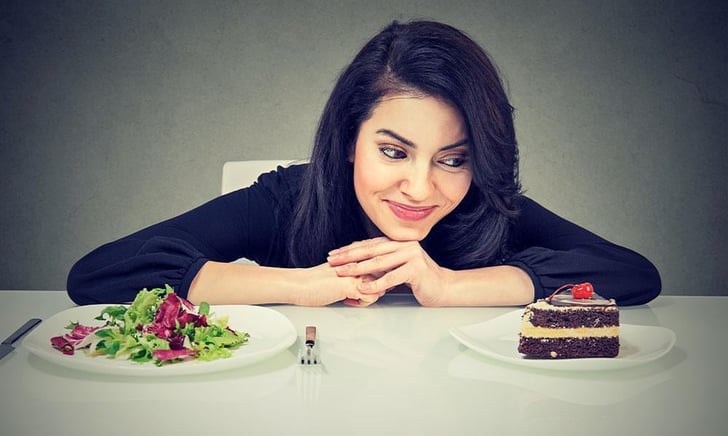
If you experience symptoms of Premenstrual Syndrome (PMS), you are not alone. The majority of women in the U.S. experience at least one symptom of PMS, which usually occurs anywhere from less than 2 weeks to 1 week before their period begins. One of the many pesky and common symptoms of PMS is food cravings. While this symptom is infamously well-known in association with PMS, you may still be wondering why these cravings occur. Understanding the mechanisms behind the cravings may help you combat them.
What Causes PMS Food Cravings?
Hormonal Changes:
Women's bodies are in constant fluctuation due to their menstrual cycle. Various hormones and chemical changes occur in the body during different stages of the cycle. Drastic spikes or drops of certain hormones are believed to be correlated with the cravings associated with PMS. Whether you crave sugar, fat and/or simple carbohydrates depends on the levels of these hormones in your body.
- Estrogen & Cortisol - The body regulates estrogen and cortisol so that when estrogen increases or decreases, cortisol also increases or decreases respectively. Therefore, as estrogen increases in the weeks before your period, when you are experiencing PMS, cortisol also increases. This spike in cortisol, the stress hormone, puts the body in a state of high stress and in turn high metabolic stimulation. As a consequence, your appetite is heightened and cravings for foods high in carbs and fat emerge.
- Serotonin - A neurotransmitter associated with well-being and feeling good, is believed to influence the types of food that are craved during PMS. During PMS, serotonin drops, which causes cravings for carbohydrates. Carbohydrates are used in serotonin production, so the body signals you to eat them in an attempt to counter the dip. If your cortisol is high and serotonin is low, you are likely to crave simple and sugary carbohydrates (aka why many women crave chocolate). If your cortisol is high and your serotonin level is relatively normal, you will likely crave foods high in fat and high in carbs.
Blood Sugar:
Blood sugar levels may also be affiliated with cravings and levels of irritability during PMS. Low blood sugar, also known as hypoglycemia, causes drops in blood sugar after eating.
Should I Give In To My PMS CRavings?
Your PMS food cravings are a way for your body to combat the drastic hormonal changes occurring in your body. However, they are only temporary fixes until you experience a crash and another craving just a few hours after eating the "craving food". The best way to cope with PMS cravings is to maintain proper nutrition, which will help minimize cravings. This includes:
- Eating complex carbohydrates (not simple carbs that you are likely craving)
- Eating foods rich in calcium
- Reducing and limiting the amount of fat, salt, and sugar you are eating
- Avoid caffeine and alcohol
- Eat smaller sized meals more frequently to maintain proper blood sugar levels