Endometriosis
All Services

Endometriosis

Diagnosis and treatment of endometriosis

About Endometriosis

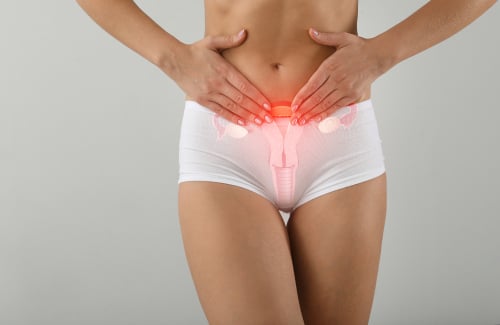
Endometriosis occurs when tissue similar to the uterine lining grows outside the uterus, causing pain, inflammation, and sometimes fertility issues. At Garden OB/GYN, we understand how significantly endometriosis can affect your daily life. Our providers specialize in diagnosing and treating this condition with a range of options tailored to your symptoms, severity, and reproductive goals.

What to Expect

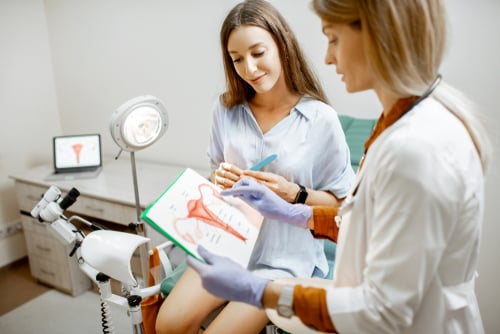
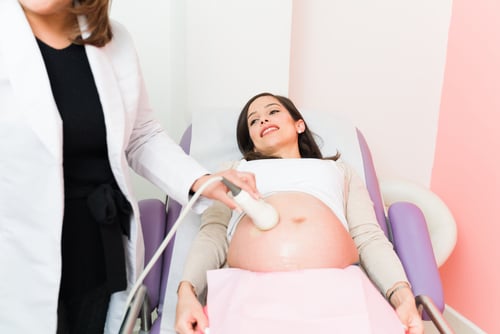
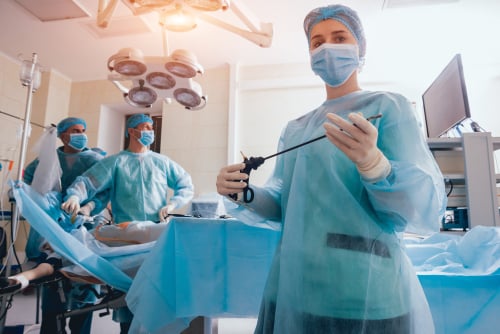
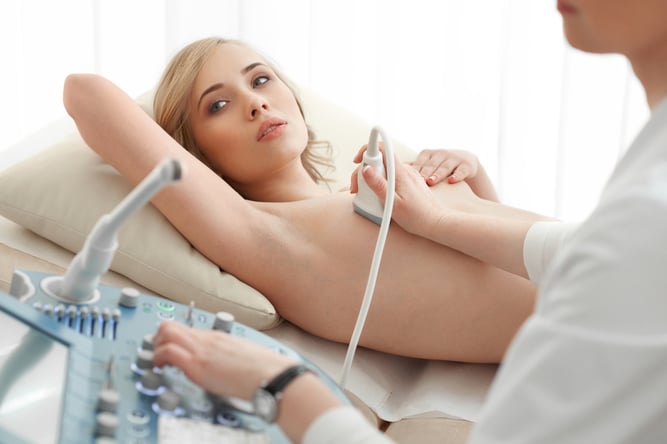
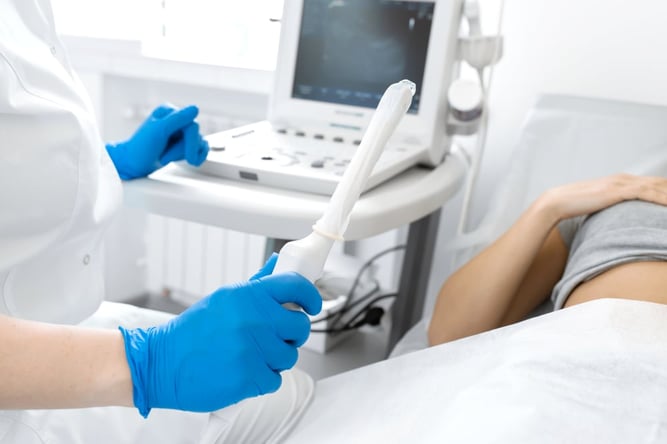
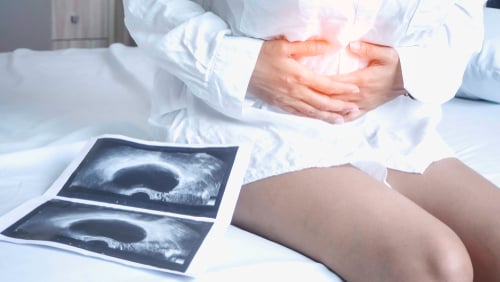
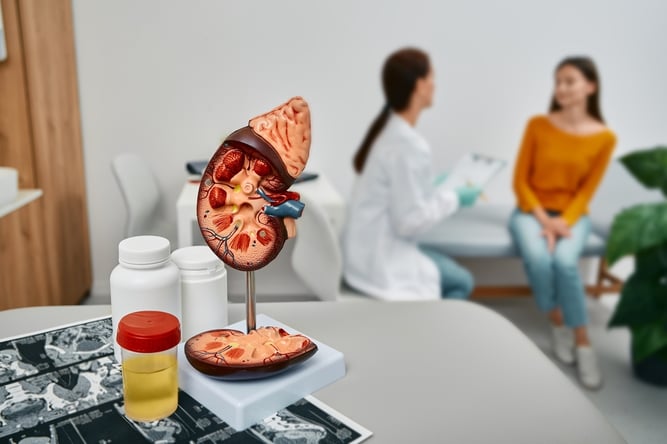
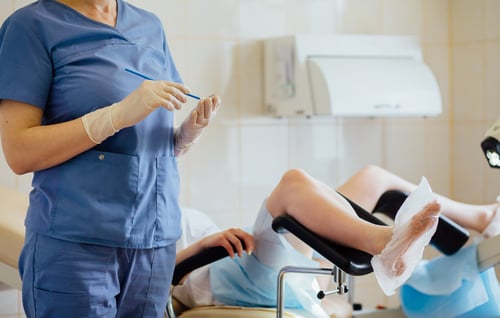
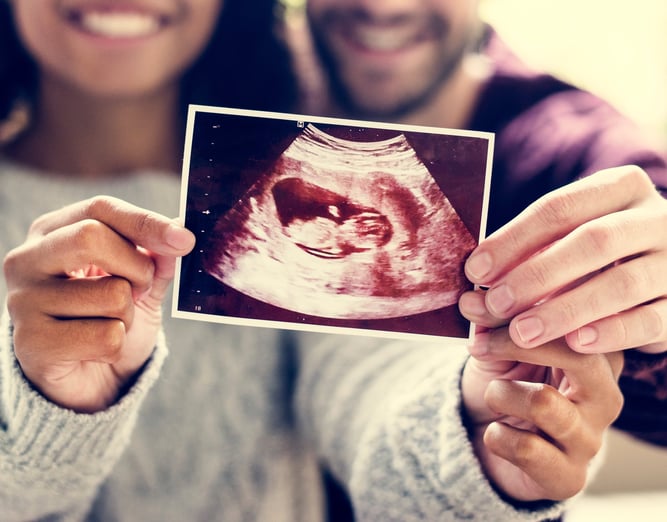
Diagnosis begins with a detailed discussion of your symptoms, a pelvic exam, and often an ultrasound. In some cases, laparoscopic surgery may be recommended for definitive diagnosis and treatment. Treatment options include hormonal medications to manage symptoms, pain management strategies, and minimally invasive surgery to remove endometrial tissue. Your provider will work with you to find the approach that best fits your life and goals.

Who Is This For?

Women experiencing chronic pelvic pain, painful periods, pain during intercourse, heavy bleeding, or difficulty conceiving. Endometriosis affects approximately 1 in 10 women of reproductive age.

Frequently Asked Questions

How is endometriosis diagnosed?
While ultrasound and symptoms can suggest endometriosis, the only definitive diagnosis is through laparoscopic surgery. Your provider will discuss whether this step is appropriate for you.
Can endometriosis affect my fertility?
Endometriosis can impact fertility, but many women with the condition conceive naturally or with treatment. Early diagnosis and management improve outcomes.
Is there a cure?
There is no cure, but symptoms can be effectively managed with medication, surgery, and lifestyle changes. Symptoms often improve after menopause.
What treatments are available?
Options include hormonal birth control, GnRH agonists, pain medication, and minimally invasive laparoscopic surgery to remove endometrial tissue.
What are the most common signs of endometriosis?
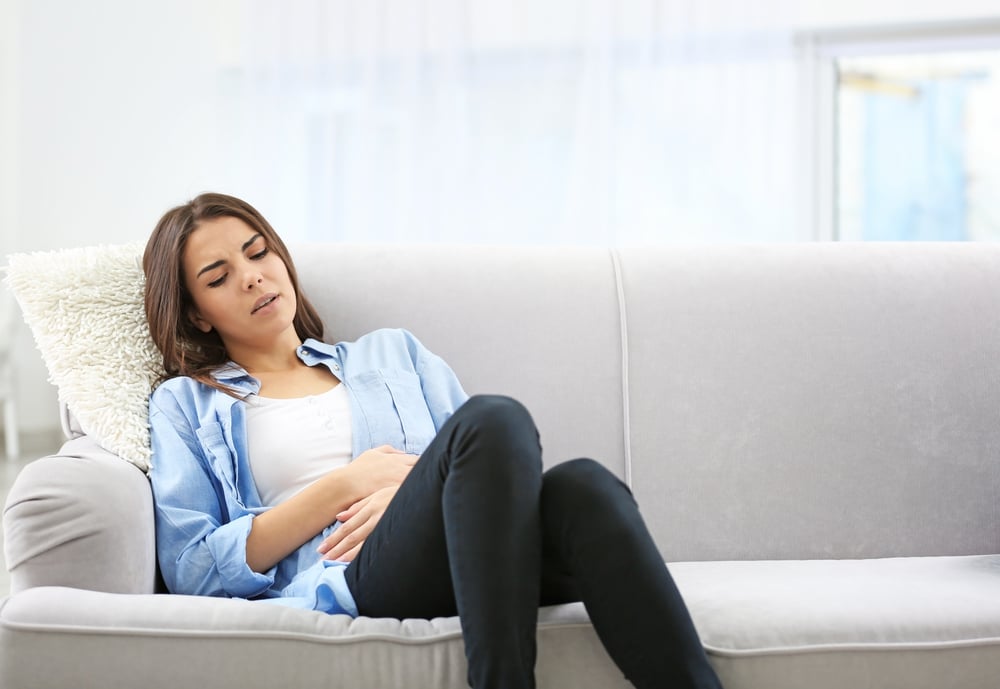
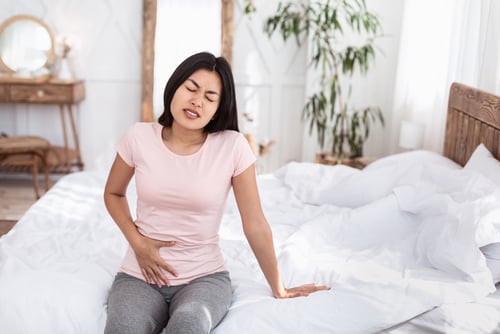
The hallmark sign is pelvic pain that goes well beyond typical period cramps — pain that interferes with school, work, or sleep, that is not fully relieved by ibuprofen, and that may radiate to the lower back or thighs. Other common signs include pain during or after sex, pain with bowel movements or urination (especially during your period), heavy or prolonged bleeding, spotting between periods, chronic fatigue, and trouble getting pregnant. Symptoms often begin in the teens or twenties but get dismissed as "bad periods" for years — the average time to diagnosis is still close to a decade. Severity of pain does not always match the amount of disease present, so even mild symptoms can be worth evaluating if they keep coming back. If any of this sounds familiar, call (516) 663-6400 or schedule online and we will start with a thorough conversation, exam, and ultrasound.
What causes endometriosis?
The honest answer is that we do not know one single cause. The leading theory is retrograde menstruation, where some menstrual tissue flows backward through the fallopian tubes into the pelvis instead of out of the body, where it can implant and grow. But that does not explain every case — which is why researchers also look at genetics (endometriosis tends to run in families), immune system differences, hormone signaling, and embryonic-tissue theories. What we do know is that estrogen feeds endometriosis, which is why pregnancy and menopause often quiet symptoms, and why hormonal treatments are a mainstay of care. Endometriosis is not caused by anything you did, ate, or skipped. If you have a family history or symptoms that are getting worse, schedule online or call (516) 663-6400 and we will map out a plan that fits your goals — pain control, fertility, or both.
When should I see a specialist for endometriosis?
Most women start with a general OB/GYN, and at Garden we manage a wide range of endometriosis cases in-house with medical and minimally invasive surgical options. It is worth seeking specialist-level care — either with our advanced laparoscopic surgeons or a referral to a fellowship-trained endometriosis surgeon — when pain is not controlled by hormonal therapy, when imaging suggests deep infiltrating disease or endometriomas, when you have been trying to conceive without success, or when prior surgery did not bring lasting relief. The right time to ask is usually earlier than people think; you should not wait years for the next step. Call (516) 663-6400 or schedule online and we will figure out together whether you need ongoing management with us or a coordinated referral.

Schedule an Appointment

Our board-certified providers are ready to help. Book online or call us today.

Available at our locations:

Garden City · Brooklyn · Commack · Queens · Lake Success · Massapequa · Manhattan · Cedarhurst

Take the Next Step

Schedule your endometriosis appointment with Garden OB/GYN today.