Pap Smear
All Services

Pap Smear

Cervical cancer screening

About Pap Smear

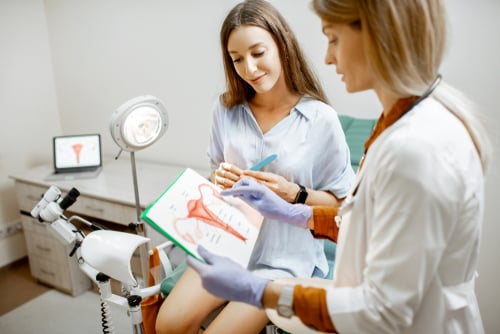
A Pap smear is a simple screening test that detects abnormal cells on your cervix, helping to prevent cervical cancer or catch it at its earliest, most treatable stage. At Garden OB/GYN, Pap smears are performed as part of your routine gynecological care. Combined with HPV testing, this screening has dramatically reduced cervical cancer rates and remains one of the most important preventive tests for women.

What to Expect

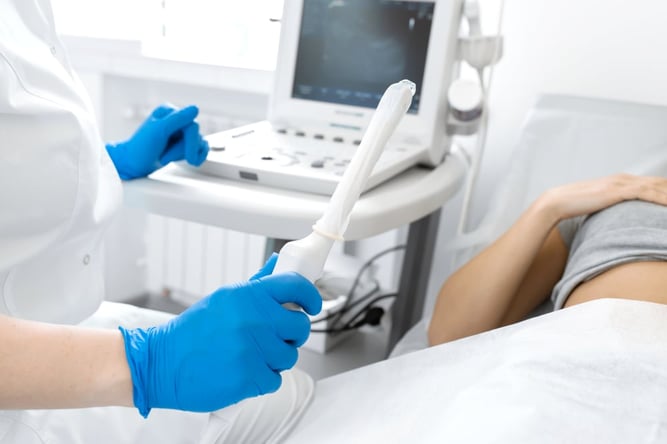
During a Pap smear, your provider gently collects a small sample of cells from your cervix using a soft brush. The procedure takes just a few minutes and may cause mild discomfort but is not painful. Results are typically available within 1-2 weeks. If any abnormalities are found, your provider will discuss next steps, which may include additional testing or monitoring.

Who Is This For?

Women ages 21 and older should begin Pap smear screening. Current guidelines recommend screening every 3 years for women 21-29, and every 3-5 years (with or without HPV co-testing) for women 30-65.

Frequently Asked Questions

How often do I need a Pap smear?
Every 3 years starting at age 21, or every 5 years with HPV co-testing starting at age 30. Your provider may recommend more frequent screening based on your history.
What if my results are abnormal?
An abnormal result does not mean you have cancer. It means some cells need a closer look. Your provider may recommend a colposcopy or repeat testing.
Should I avoid anything before my Pap smear?
For the most accurate results, avoid intercourse, douching, and vaginal products for 48 hours before your test. Try to schedule when you're not on your period.
Is a Pap smear the same as a pelvic exam?
No. A pelvic exam is a physical examination of your reproductive organs. A Pap smear is a specific test for cervical cells that may be performed during a pelvic exam.
What exactly is a Pap smear and what does it look for?
A Pap smear (or Pap test) is a quick screening that collects a small sample of cells from the surface of the cervix to look for changes that could lead to cervical cancer if left alone. The cells are sent to a lab and read by a pathologist. Most cervical cell changes are caused by persistent infection with high-risk types of HPV, so for women 30 and older we usually pair the Pap with HPV co-testing for a more complete picture. The test takes about a minute during a routine pelvic exam, and you can return to normal activity immediately. A Pap is screening, not diagnosis — it tells us whether a closer look is needed, not whether you have cancer. If you are due, schedule online or call (516) 663-6400 and we will fit it into your annual visit.
My Pap came back abnormal and they recommended a colposcopy — what does that mean?
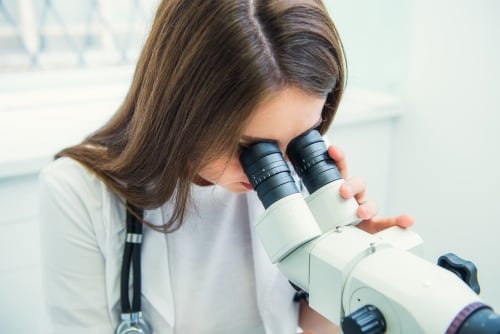
An abnormal Pap almost never means cancer. It means some cells looked different than expected, and we want a magnified, in-office look at the cervix to find out why. That closer look is called a colposcopy. The provider applies a mild vinegar-based solution that highlights any unusual areas, then examines the cervix through a colposcope (a lighted magnifier that stays outside your body). If something looks off, a tiny biopsy is taken and sent to the lab. The whole visit takes about 15-20 minutes, and you can usually return to your day. Most findings are precancerous changes that are very treatable when caught early — which is the whole point of screening. We perform colposcopies right in the office. Call (516) 663-6400 or schedule online to get yours on the books.

Schedule an Appointment

Our board-certified providers are ready to help. Book online or call us today.

Available at our locations:

Garden City · Brooklyn · Commack · Queens · Lake Success · Massapequa · Manhattan · Cedarhurst

Take the Next Step

Schedule your pap smear appointment with Garden OB/GYN today.