Pregnancy Ultrasound, also known as OB Ultrasound: Top service in NYC, Queens, and Long Island
What is a pregnancy ultrasound, and how can Garden OB/GYN in NYC, Queens, and Long Island help?
An ultrasound, also known as a sonogram, is one of the simplest and most effective tools your expert Garden OB/GYN provider in NYC, Queens, and Long Island uses for diagnostic purposes, as well as to monitor your progress during pregnancy.

Why Do I Need an Ultrasound During Pregnancy?
An ultrasound uses high-frequency sound waves to generate images of your internal organs and connective tissues. What’s unique about an ultrasound is that it provides a live-feed, meaning your doctor can watch movements and listen to sounds, which is especially helpful during pregnancy.
You may need an ultrasound during pregnancy to:
- Confirm a pregnancy
- Check for ovarian cysts or polyps
- Diagnose the cause of pelvic pain or heavy bleeding
- Check the development of your growing fetus
- Determine your expected due date
- Look for signs of birth defects such as Down syndrome
What Happens During Obstetric ultrasonography?
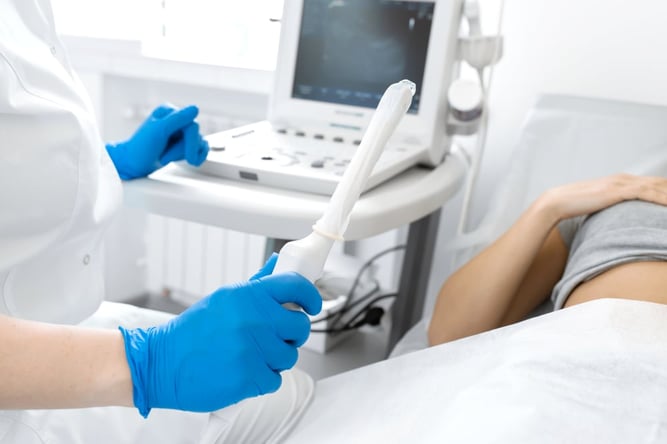
Most ultrasounds performed at Garden OB/GYN are transabdominal ultrasounds, meaning over your abdomen. This simple imaging test involves applying a warm clear gel to your lower belly and gliding a handheld transducer device over your skin. If you need a transvaginal ultrasound, which is performed alone or in conjunction with a transabdominal ultrasound, the ultrasound is performed internally. Your technician inserts a transducer probe into your vagina and rotates it to capture images of your pelvic organs. It’s normal to feel some pressure during a transvaginal ultrasound.
How Do I Prepare for an Ultrasound?
While the transabdominal ultrasound isn’t painful, you might have some discomfort because you need to have a full bladder, which isn’t needed for the transvaginal ultrasound. Drinking plenty of water before your ultrasound at Garden OB/GYN pushes up your pelvic organs and growing fetus for clearer images. To prepare for a transabdominal ultrasound, the Garden OB/GYN team generally recommends drinking at least six glasses of water about an hour or two before your exam. If you’re having a transvaginal exam, you just need to make sure you remove your tampon (if applicable) before getting started. After your ultrasound at Garden OB/GYN in NYC, Queens, and Long Island is complete, you might be asked to sit and wait for your doctor to review your images to ensure they have all of the information they need. Your entire ultrasound appointment takes anywhere from 30-60 minutes.